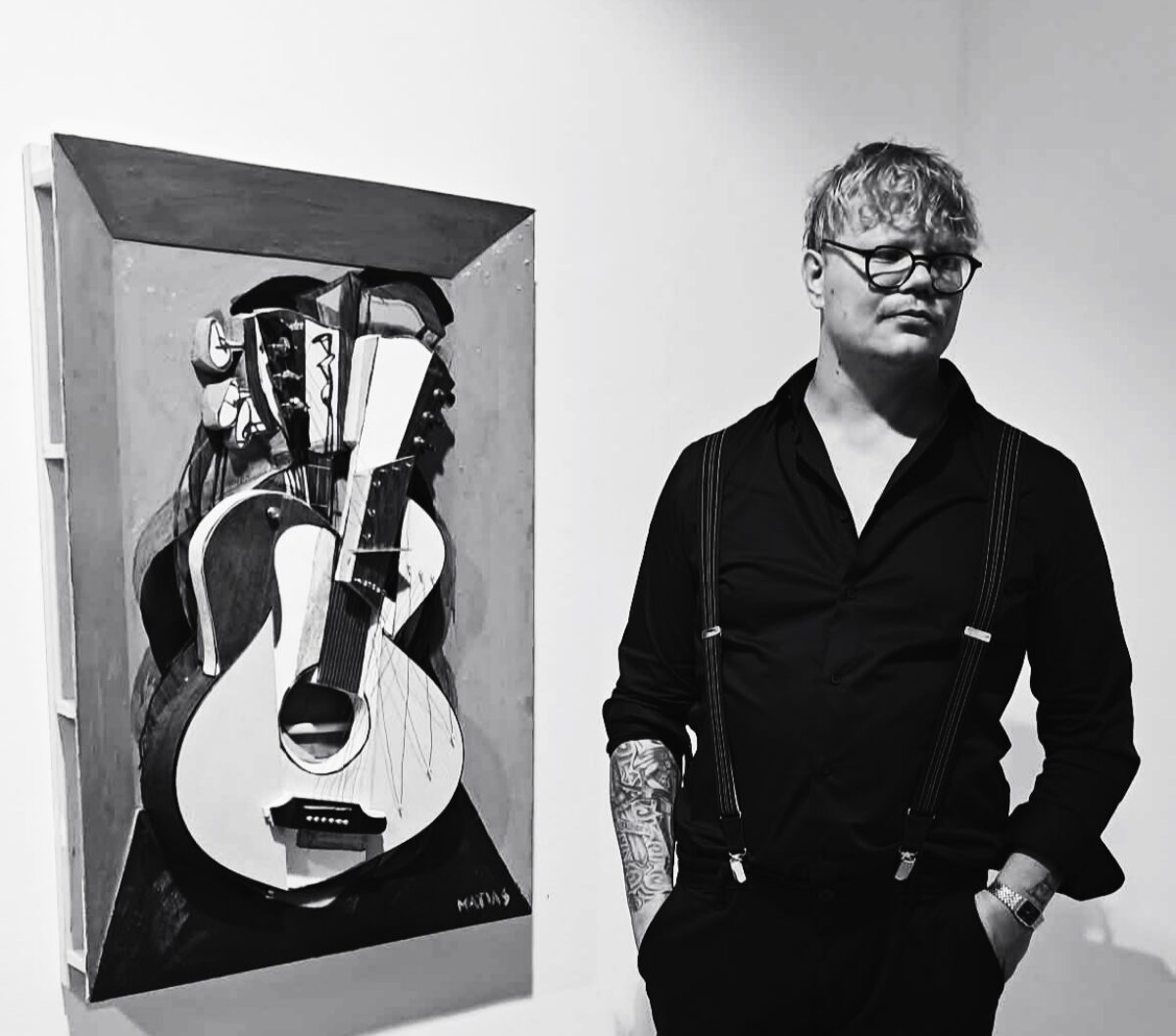
Hypercubism is a multidimensional art theory and philosophical system developed by Anssi Matias Miettinen. It is based on the idea that reality is not surface, but structured system composed of interacting layers of material, thought and consciousness.
Rather than representing appearances, Hypercubism reconstructs reality through structural analysis, process and multidimensional perception.
What is Hypercubism?
Hypercubism is not merely an artistic style, but a structural method for understanding and reconstructing reality. It merges from need to restore meaning, coherence, and intellectual depth into contemporary art.
The theory argues that reality operates across multiple dimensions:
- 3D: Information and interaction
- 4D: Mind and thought
- 5D: Consciousness
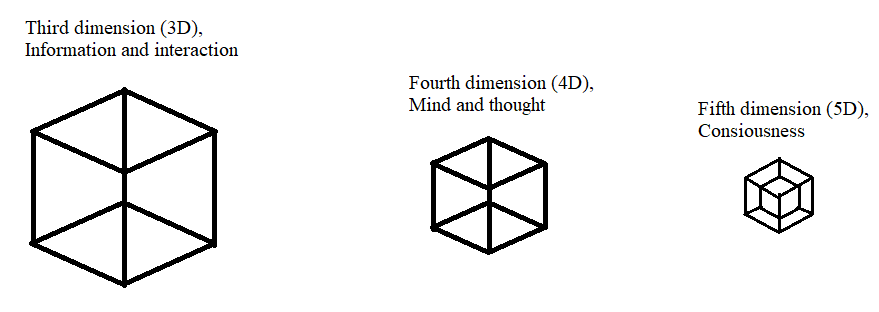
These dimensions interact simultaneously, forming a layered system that Hypercubism seeks to reveal and reconstruct.
Core Method
The Hypercubist Method
The Hypercubist process is a structured and iterative method consisting of three main phases:
- Deconstruction: The subject is analyzed as a structure rather than an image. Relationships, properties and interactions are identified.
- Analysis and Understanding: The subject is examined from multiple perspectives simultaneously, both physically and mentally.
- Reconstruction: The subject is rebuilt into a multidimensional structure that reflects its true nature rather than its visual appearance.
Key Principles
- Reality is based on structure, not appearance
- Layers reveal hidden relationships
- Process is more important than final image
- Materials carry history and meaning
- Repetition is a method of learning
- The artwork is a system, not an object
- Truth onf structure overrides aestethic surface
The role of dimensions
Hypercubism is grounded in a multidimensional understanding of reality:
- 3D: physical objects and material reality
- 4D: mental processing, interpretation and imagination
- 5D: Awareness and the underlying order of existence
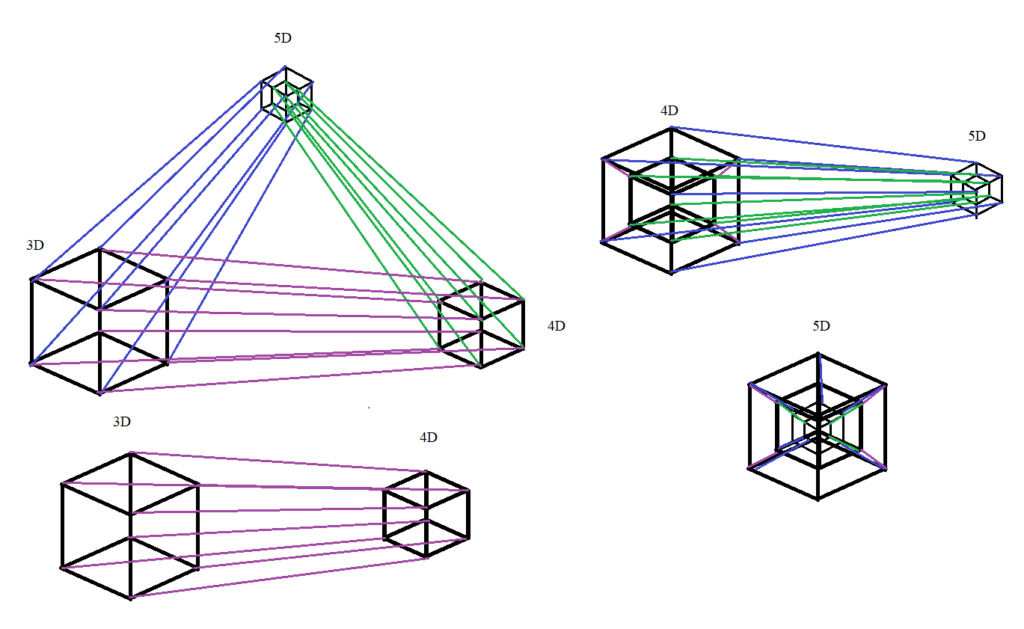
These dimensions are not seperate but constantly interacting, forming unified system of experience.
Parts of the Theory
Hypercubism, part I:
Focuses on the manifesto, philosophy and conceptual basis of Hypercubism.
Hypercubism, part II:
Explores axioms, reality, dimensional diagrams and structural systems.
Hypercubism, part III:
Applies the theory trough painting, research and practical artistic processes.
Theoretical conclusion
Hypercubism is not an extension of existing art movements, but new structural system for understanding reality.
It transforms art from representation into reconstruction, and from surface aesthetics into multisimensional truth.